03 · Adapt · One model, different contexts
Keep the objective.
Shape the local approach.
Every place brings its own advantages and challenges, and local conditions keep changing. The essential requirements for the model to work must still hold, but how you meet them will vary. Follow the leather-shop idea into practice, continually adapting to local materials, capabilities, costs, and customer needs while keeping the objective in sight.
Our continuing story
A leather shop explores stacked-leather pens.
Turn an overlooked waste stream into useful products and local income.
In this illustrative scenario, a leather shop and a local pen maker explore turning suitable offcuts into stacked-leather pens for local customers and gift buyers. They initially expect consistent materials, dependable pen components, and interest in a premium finish. Those assumptions become questions for a small local trial.
Observe. Interpret. Act.
Conditions change. Keep adapting.
Observe
Gather evidence about local resources, capabilities, costs, and customer needs.
Interpret
Understand what that evidence means for the conditions your model needs to work.
Act
Make the best decision with the information available, put it into practice, and use the results to refine your next move.
Each action is a test of your understanding. Learn from the results and keep adjusting toward the objective.

Supply becomes irregular
Observe: Offcuts arrive in mixed types and thicknesses, with varying quantities of usable leather.
Interpret: A dependable supply is still essential, but sorting and sourcing may need to change.
Act: Sort and trial a small batch. Use the yield and preparation time to refine sourcing and order commitments.
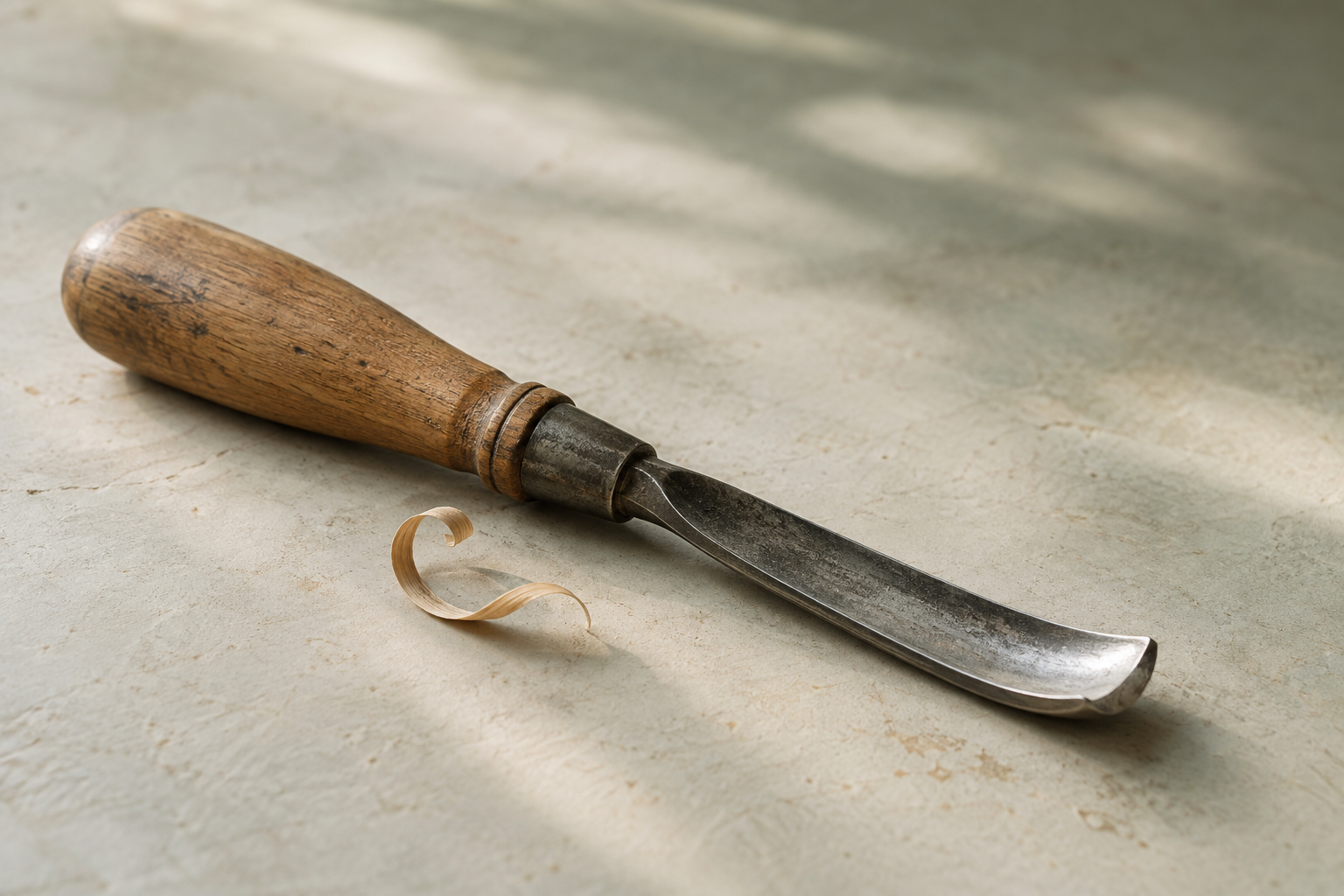
The tools or skills differ
Observe: The shop has leatherworking skills but lacks the equipment or experience to turn consistent pen barrels.
Interpret: Suitable production capabilities remain essential. A local partnership could meet that need.
Act: Trial production with a capable pen turner. Use quality, cost, and lead-time evidence to refine the arrangement.
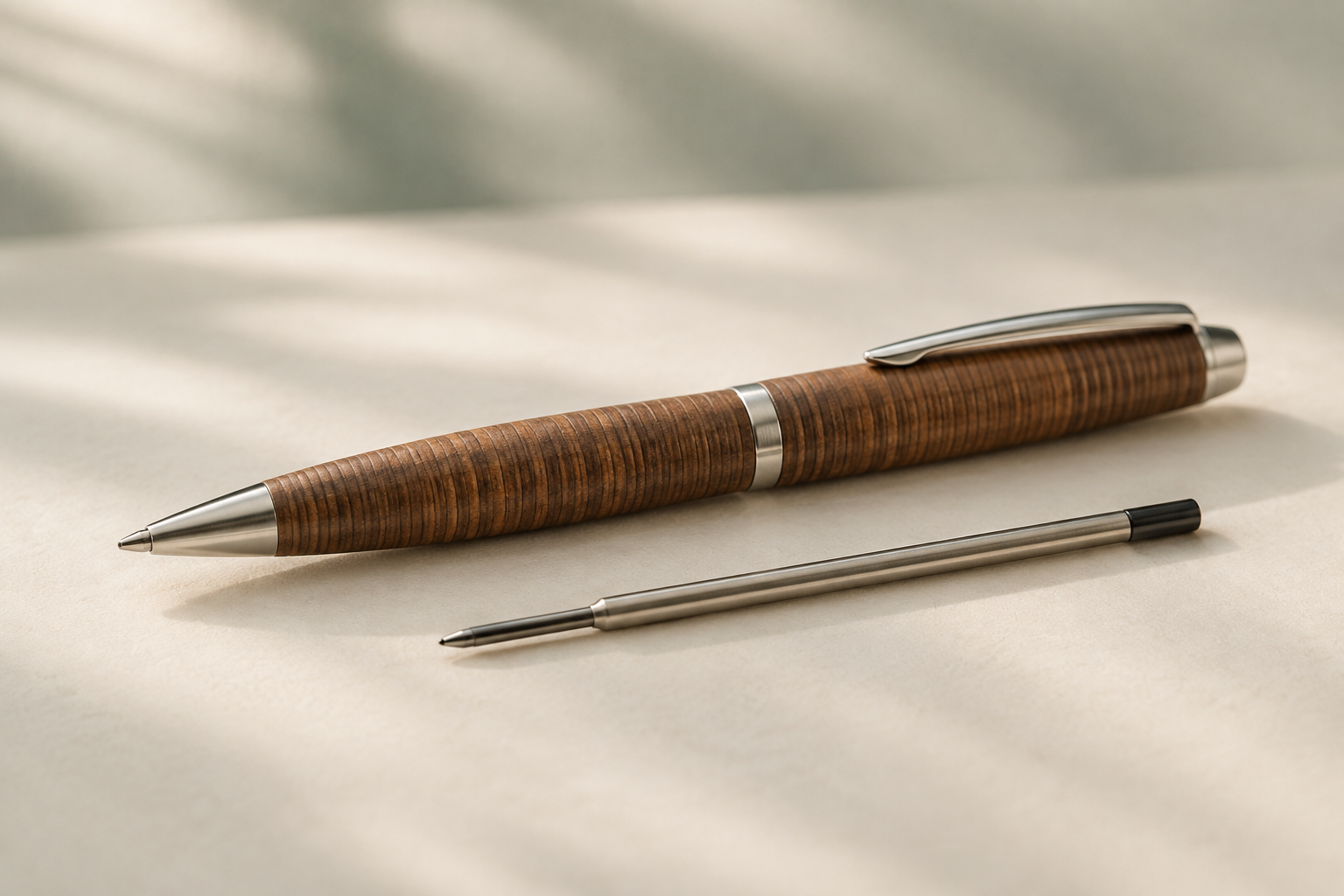
Customers need something else
Observe: Buyers value writing comfort and accessible refills more than elaborate packaging.
Interpret: Demand depends on what local customers value. The design and offer may need to change.
Act: Trial a comfortable grip, replaceable refill, and simpler packaging. Refine the offer using actual use and purchasing decisions.
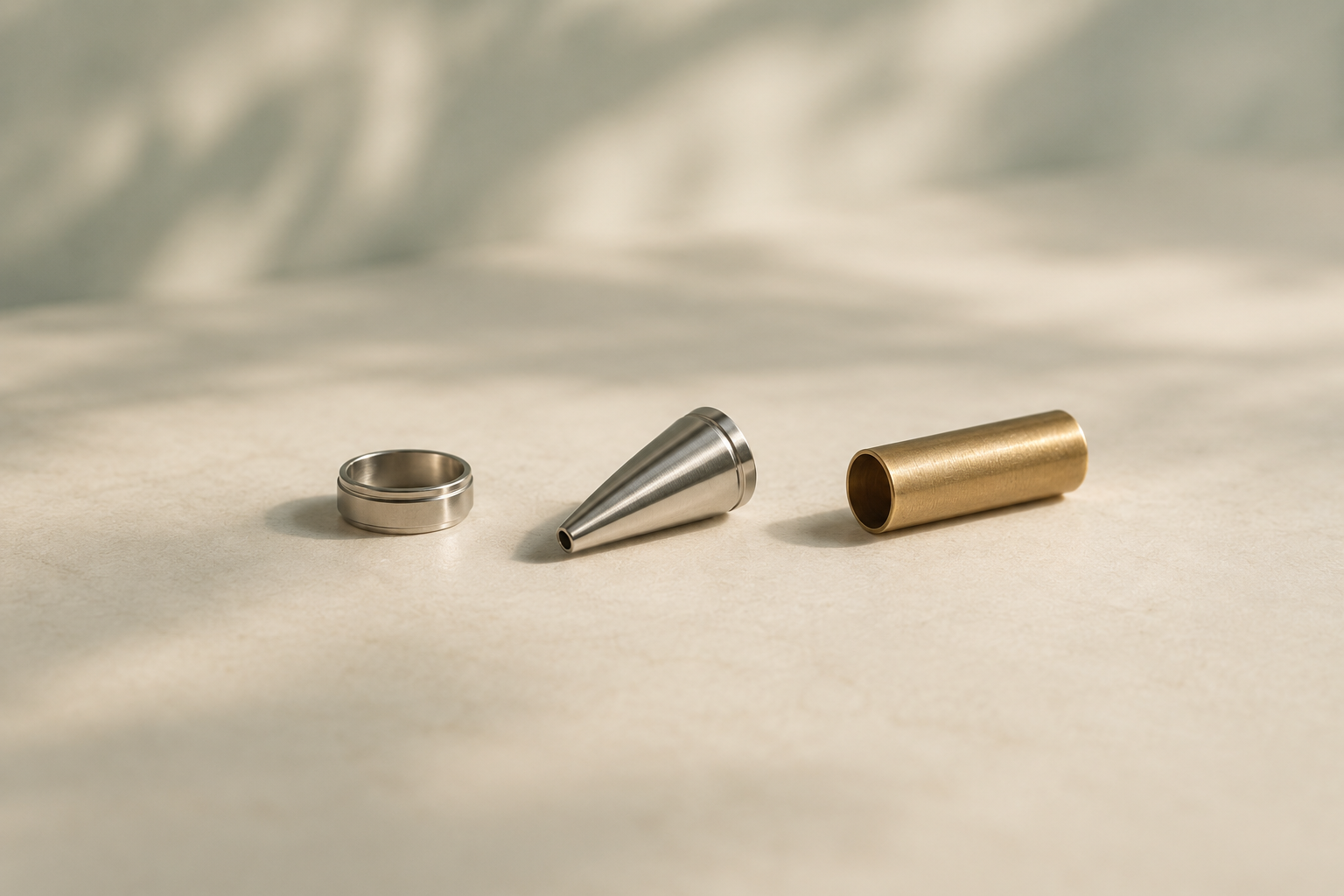
Costs rise
Observe: Fittings, rejected blanks, or finishing take more money or time than expected.
Interpret: Revenue must still cover the work. The current process may leave too little for local income.
Act: Trial a compatible standard pen kit or simpler finish. Track cost per saleable pen and refine the process without sacrificing quality.
Adaptive confidence
Direction stays clear.
The path stays flexible.
Changing the product design, collection arrangement, or production partner can help pursue the same objective. Adaptive confidence is the ability to make those adjustments thoughtfully, using evidence from the ground.
If the conditions cannot support the objective, pausing is a valid decision. You can investigate another local opportunity rather than force a model to fit.
Return to Objective, Mechanism, and Conditions whenever circumstances change. Ask what you still want to achieve, how the approach could work now, and which conditions need another test.
Work with us
Bring your idea into local reality.
Explore opportunities in a new market or shape an idea from elsewhere for your own. We can help you understand the context, gather local evidence, and put your next steps into practice.